
Observe the entire feeding task
A format comparison should begin before the animal sees the product. Ask how an owner opens the package, finds the measure and offers the serving. Then follow what happens to any remainder. A product that looks simple on a retail shelf may require several handling steps in a kitchen shared by multiple pets.
Owner discussions commonly describe a pet eating around a supplement or leaving supplemented food unfinished. These accounts help identify design questions; they do not establish which format will work for a particular animal. Use them to write an acceptance plan with observable outcomes and a defined intended species.
Separate willingness to approach from consumption
An animal sniffing a sample, taking a bite and consuming the intended serving are different observations. Decide which one the review needs to capture. Record the amount offered, amount remaining and handling method. Repeat-use observations may reveal a different pattern from the first encounter with a novel texture.
Avoid reporting a broad palatability percentage without a defined protocol, population and outcome. A development team can still learn from a modest handling review by recording its limits clearly. Keep observations about flavour separate from claims about nutrition, absorption or health effects.
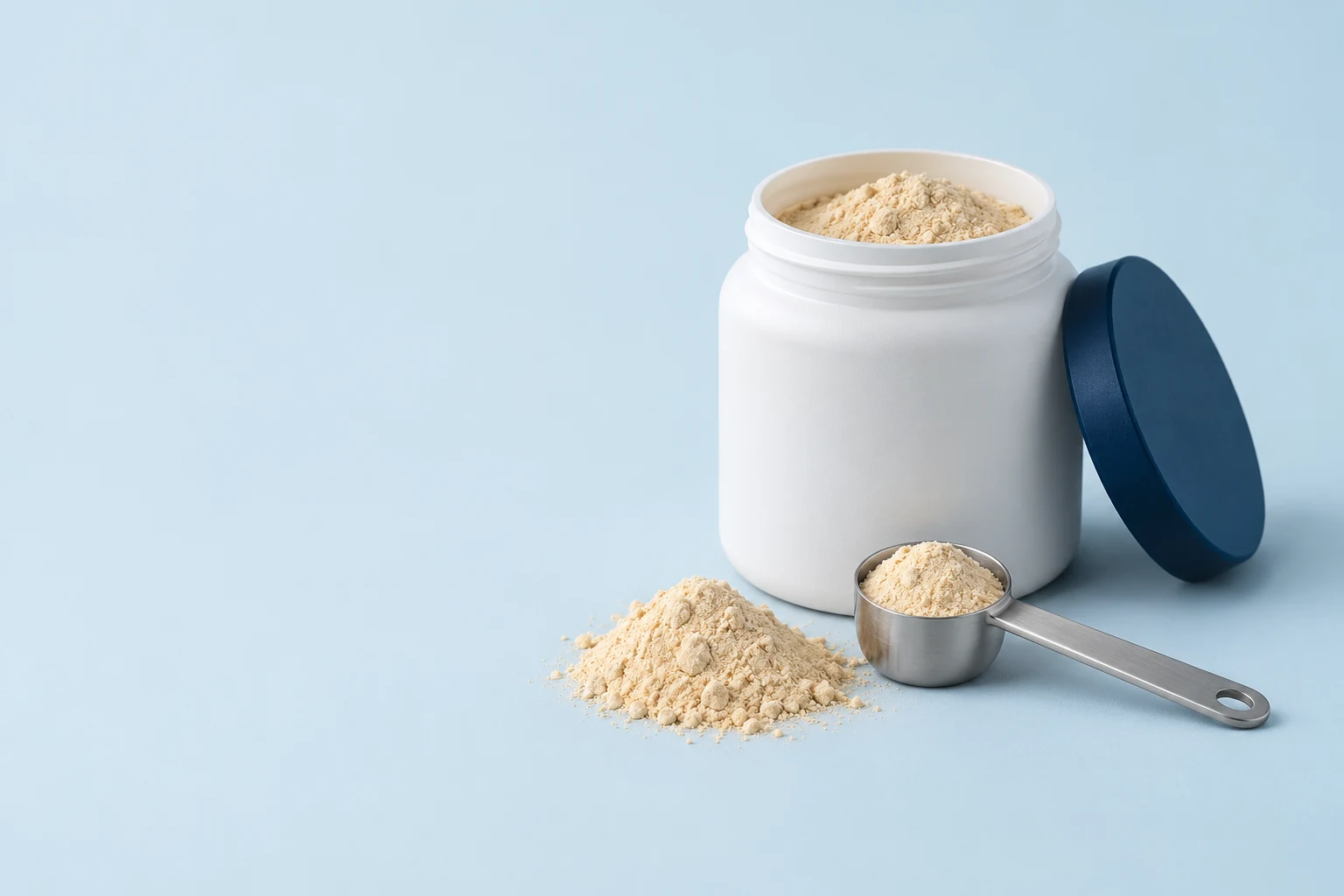
Compare powders against actual meal habits
A powder project needs a picture of the food it will meet. A moist meal, dry kibble and a small topper create different mixing questions. If the animal grazes throughout the day or shares a bowl, the amount offered may differ from the amount consumed by the intended pet.
In a prototype review, examine dispersibility, powder left on the container and the clarity of the measuring instruction. Check the selected scoop with the actual blend. Changing the powder’s density or particle behaviour can change how a volume measure performs even when the printed scoop size stays the same.
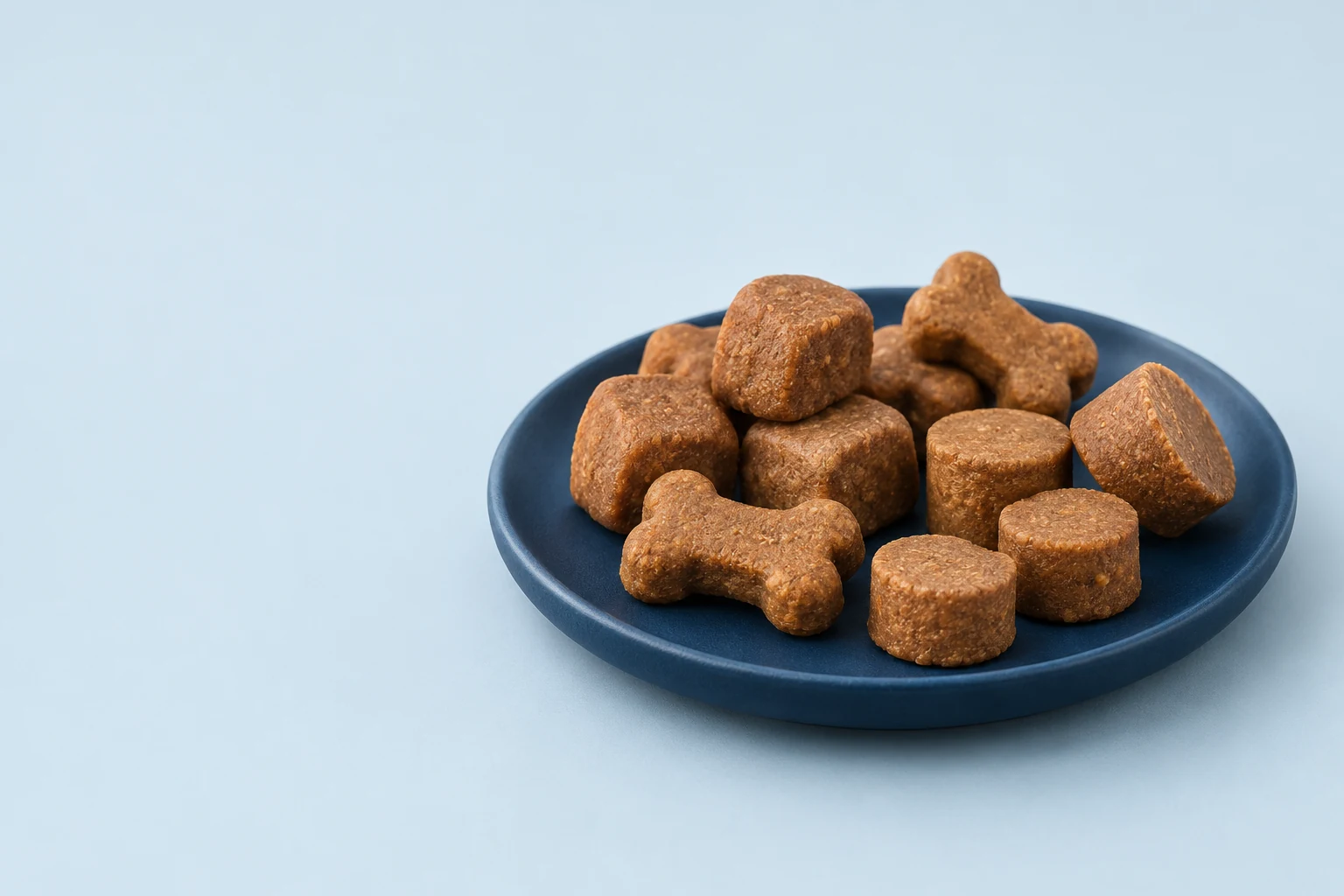
Review chews and tablets at the intended unit size
The finished unit’s dimensions, texture and serving count should be available before acceptance is judged. A small demonstration piece may be easy to offer while the full daily serving is inconvenient. Ask whether the proposed weight bands lead to whole units and whether the feeding directions can be followed consistently.
Include the formula’s flavour and supporting ingredients in the review. A protein exclusion request applies to more than the highlighted ingredient. If dividing or crushing a unit is proposed, its suitability and distribution need assessment before that action becomes an instruction on the label.
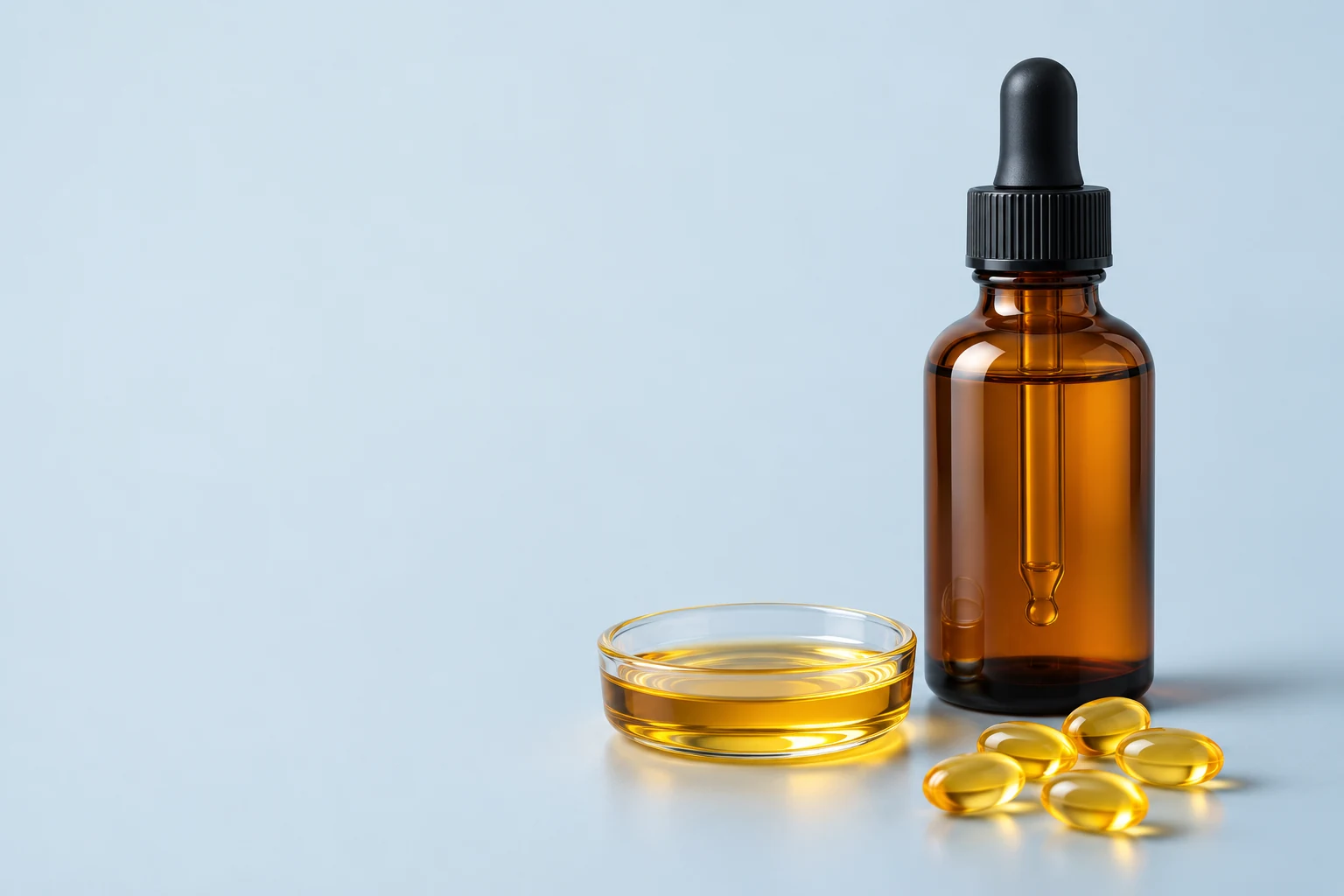
Evaluate liquid packaging as a measuring system
Bottle, closure and measure form one system. A pump needs evaluation with the intended liquid; a dropper needs clear volume markings and a practical reading position. Check leakage during use and transport, residue near the opening and whether a user can distinguish one measure from another.
For an oil concept, record the declared nutritional contribution separately from total liquid volume. Ask which product characteristics will be monitored through shelf life and after opening. A convenient dispenser still needs compatibility with the contents and storage conditions of the actual project.
Give thin films their own handling review
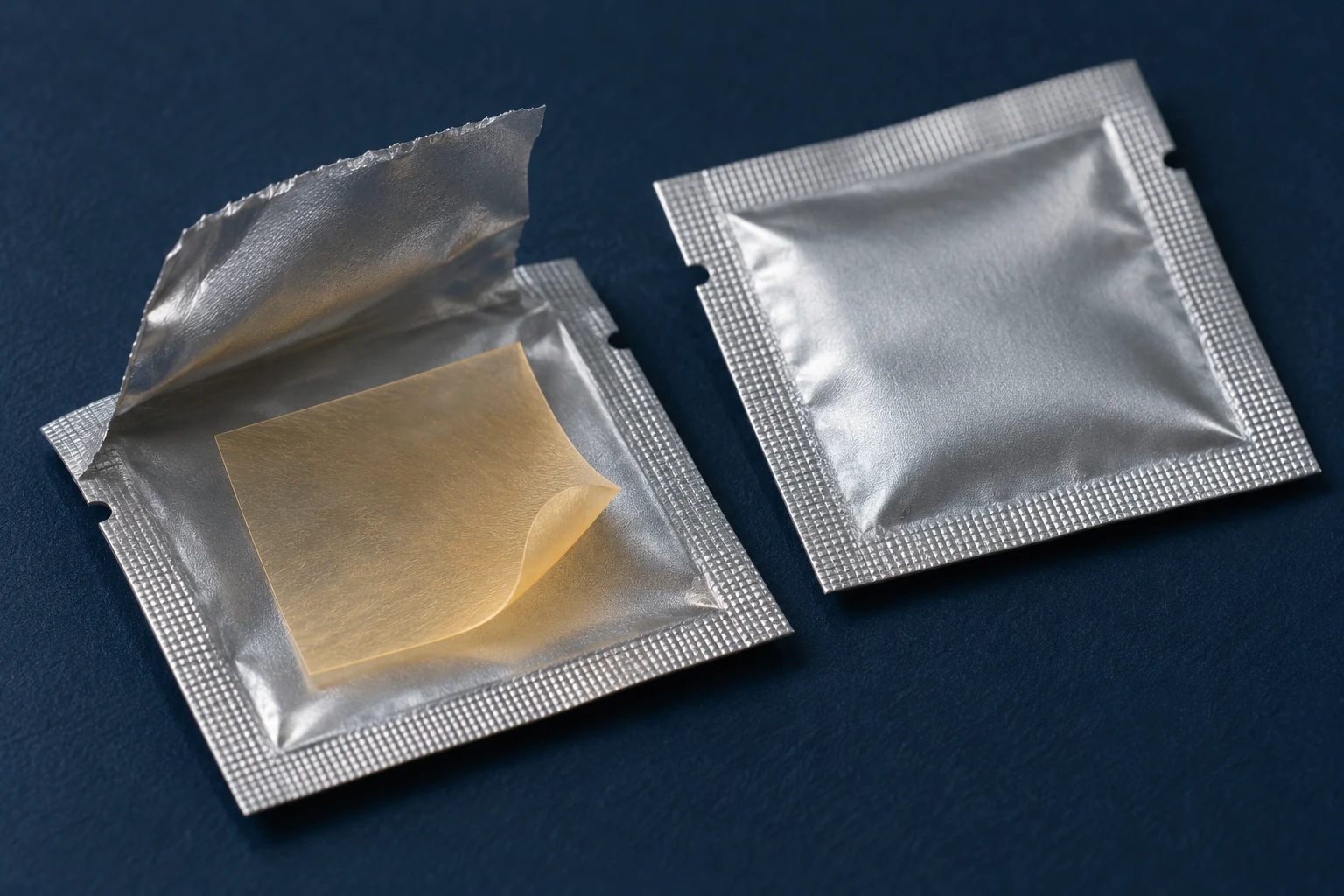
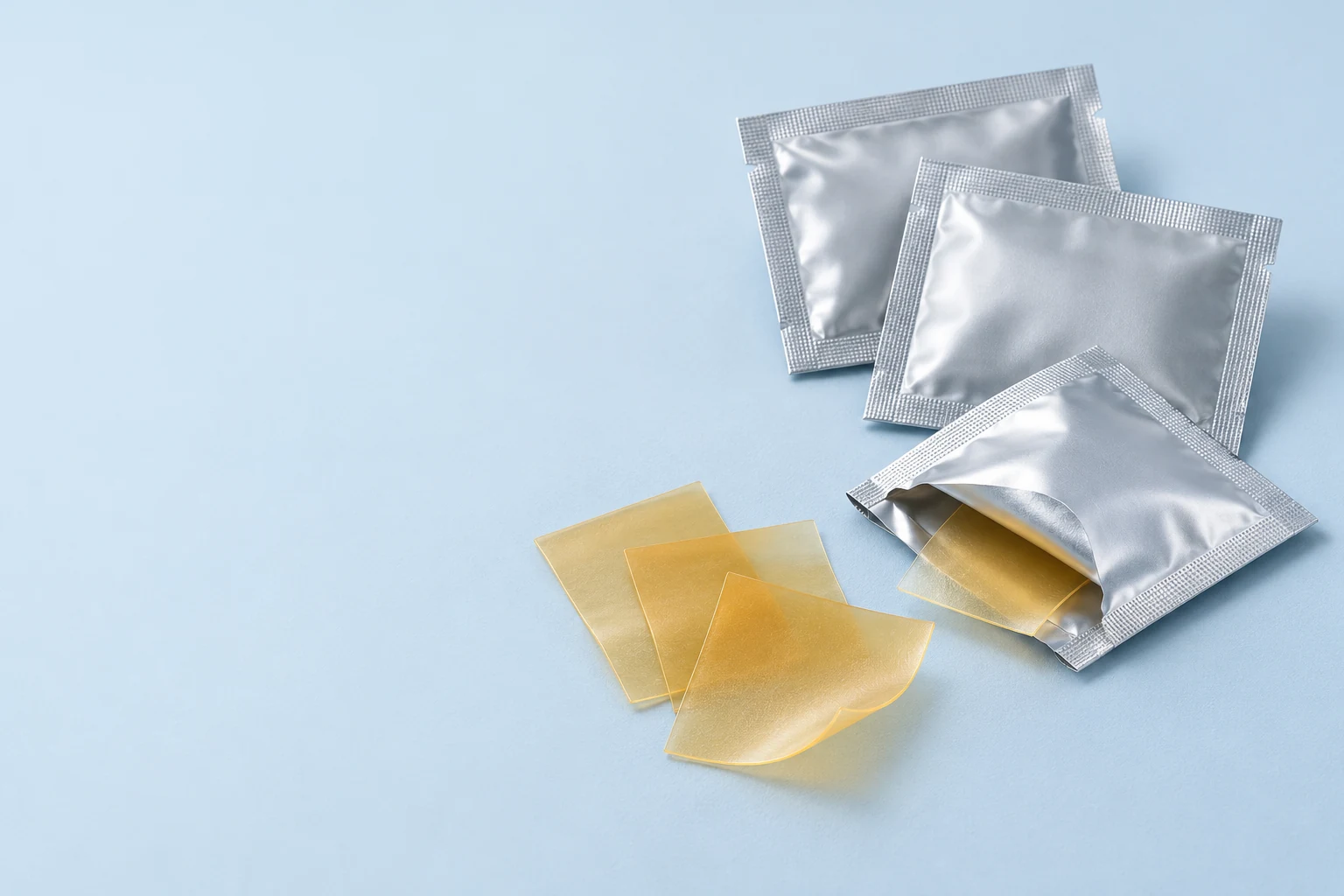
An oral film requires dry-hand handling, an accessible opening method and a feeding approach suitable for the target animal. Examine the complete unit and the primary pack together. A thin profile does not answer whether the pet will accept it or whether the required ingredient amount fits the available film.
Use the development sample to study removal from the pack, flexibility and handling consistency. Any dissolution method should be documented with its conditions. The resulting observation describes that test; it cannot be turned into a guaranteed onset time or an absorption claim in dogs and cats.
Choose an outcome before choosing a winner
Write the practical criteria first: complete serving consumed, clear measurement, manageable opening and suitable storage. Compare plausible formats against those criteria at the intended formula and serving. A beautiful package is one part of the review, while the repeated feeding task determines how the product is actually used.
Where the animal has an appetite change, a feeding difficulty or a prescribed nutrition plan, the owner should work with a veterinarian. Product development cannot resolve an individual health issue. For brand planning, bring the observed handling problem to the brief so the next prototype answers a specific question.
Compare a nutrient amount, not the size of the container
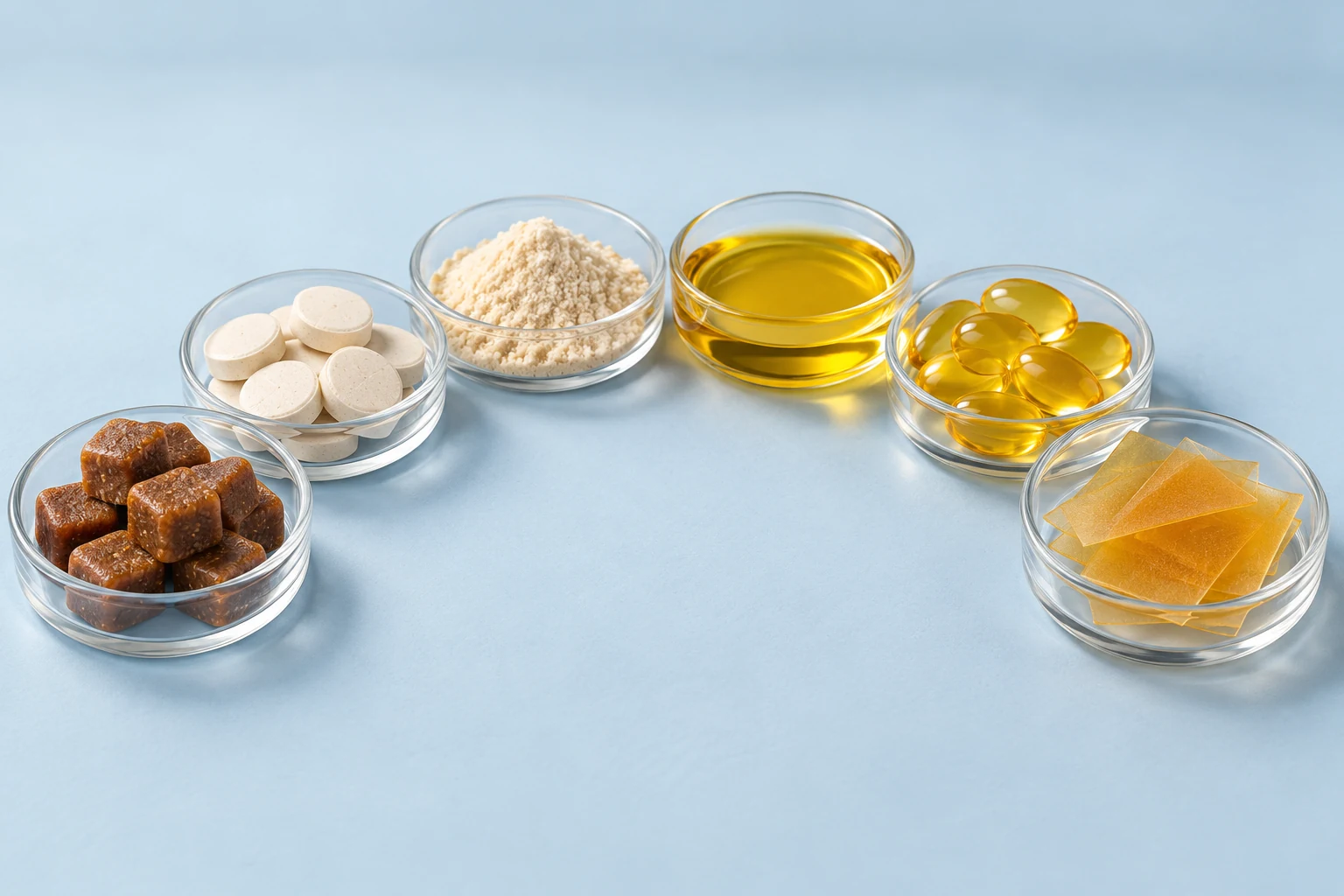
For an omega-3 concept, compare EPA and DHA per intended serving in liquid oil and softgels. For a joint project, compare the proposed glucosamine, chondroitin and MSM amounts against chew mass, powder portion or film loading. A smaller unit can create a different handling task and may require more units. Use the actual proposed serving in acceptance reviews.
Specify jars, stick packs and single-dose containers separately
A probiotic powder in a jar needs a measuring method and an after-opening moisture plan. A stick pack needs fill accuracy and a seal that protects the portion. A single-dose container needs a practical opening and a check on retained residue. The same nutrient concept may suit more than one pack, but each final configuration needs its own review.
Business guidance for developing pet nutrition products. Individual feeding and health questions require veterinary advice.