
Choose a feeding occasion your customer can describe
Begin with the moment the product will be used. An owner adding a measured powder to breakfast faces a different task from an owner carrying an individually wrapped film on a trip. Describe the animal, the household and the handling sequence before choosing the product name. A clear feeding occasion helps a formulator understand constraints that a list of fashionable ingredients will miss.
Keep the opening range small enough to evaluate properly. Two formulas with distinct purposes may be easier to explain than several products with overlapping ingredients and indistinguishable directions. Map the proposed range against the pet’s usual food and the owner’s ability to measure or count a serving.
Decide what the product contributes to the diet
Write down the proposed nutritional contribution per serving, its unit of measurement and the reason it belongs in the concept. A formula containing oil needs a different declaration discussion from a formula containing a live microorganism. The ingredient’s purchase weight, its specification and the amount delivered to the animal must be connected in the development record.
Treat complete food, complementary products and treats as separate briefs. FDA’s consumer explanation of complete and balanced pet food makes the feeding role a useful starting point. A supplement concept requires its own assessment alongside the base diet; an attractive nutrient list does not establish nutritional completeness.
Make the market part of the formula discussion
Record where the first batch will be sold, who will import it and which languages the physical label needs. These decisions affect ingredient review, intended claims and document preparation. Translating an English claim into another language does not establish that the same claim can be used in the destination.
Share draft marketing statements early. The technical discussion can then identify which wording needs product evidence, which needs local review and which should be removed. Keep the approved wording with its formula version, so a later ingredient substitution does not leave an outdated promise on a carton or marketplace page.
Use the package to work backwards to a serving
A 30-unit pack says little until the feeding frequency is known. Work out how many days the pack is intended to last for each proposed weight band, then check whether the instructions remain understandable. Include the measurement device, unit size and handling steps in the same review.
Compare packaging on the owner’s full routine: opening, measuring, closing, storing and reading the batch code later. Ask how the last portion will be retrieved. A deep jar, narrow bottle neck or difficult tear notch can create a problem that a polished front-panel rendering does not show.
Build a quotation sheet that exposes assumptions
Provide one controlled brief to every participant in the review. Separate the formula target, pack construction, print components, testing scope and shipping responsibilities. Leave an unresolved field visible rather than allowing different readers to supply different assumptions. Add a column for the document or sample that will close each open point.
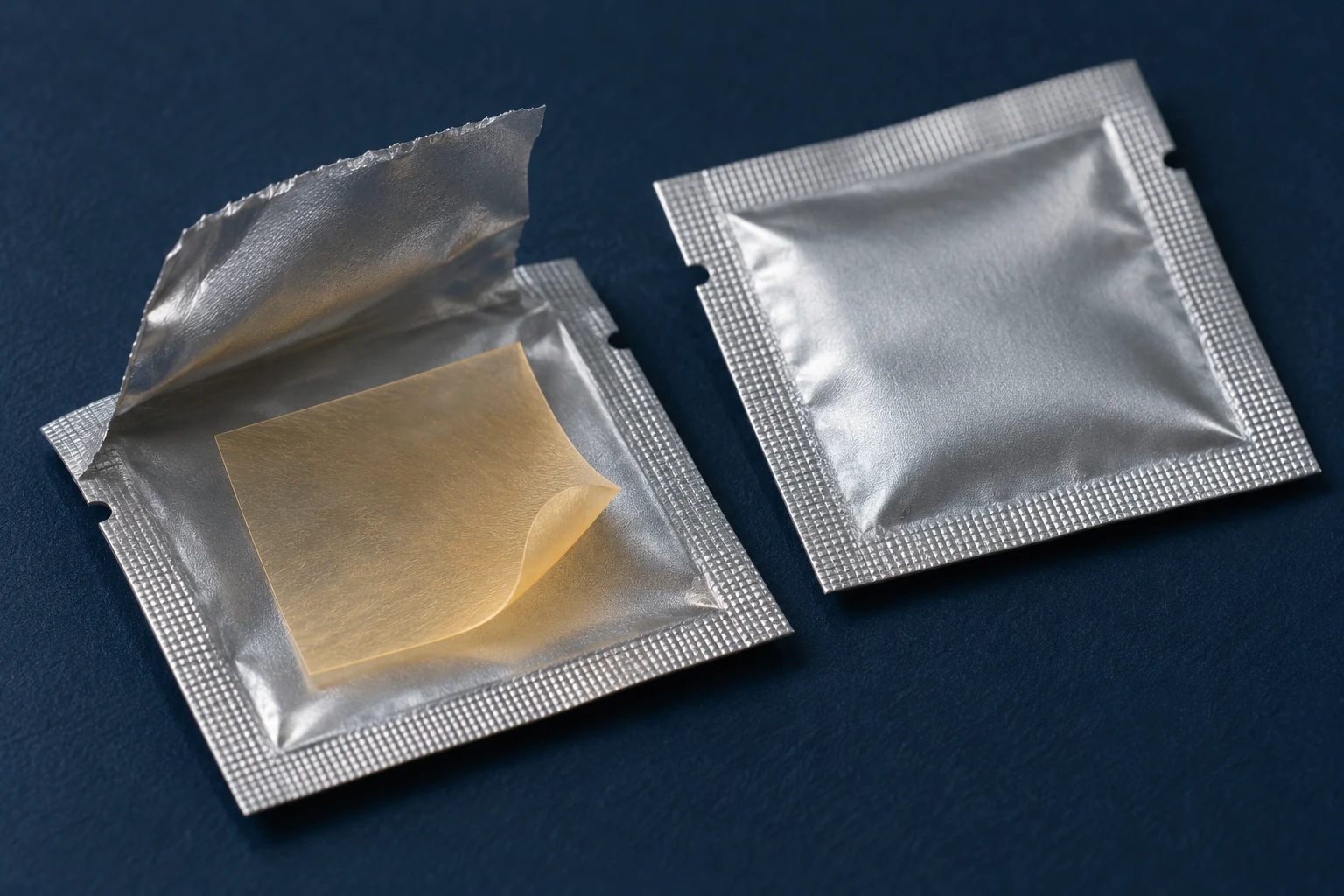
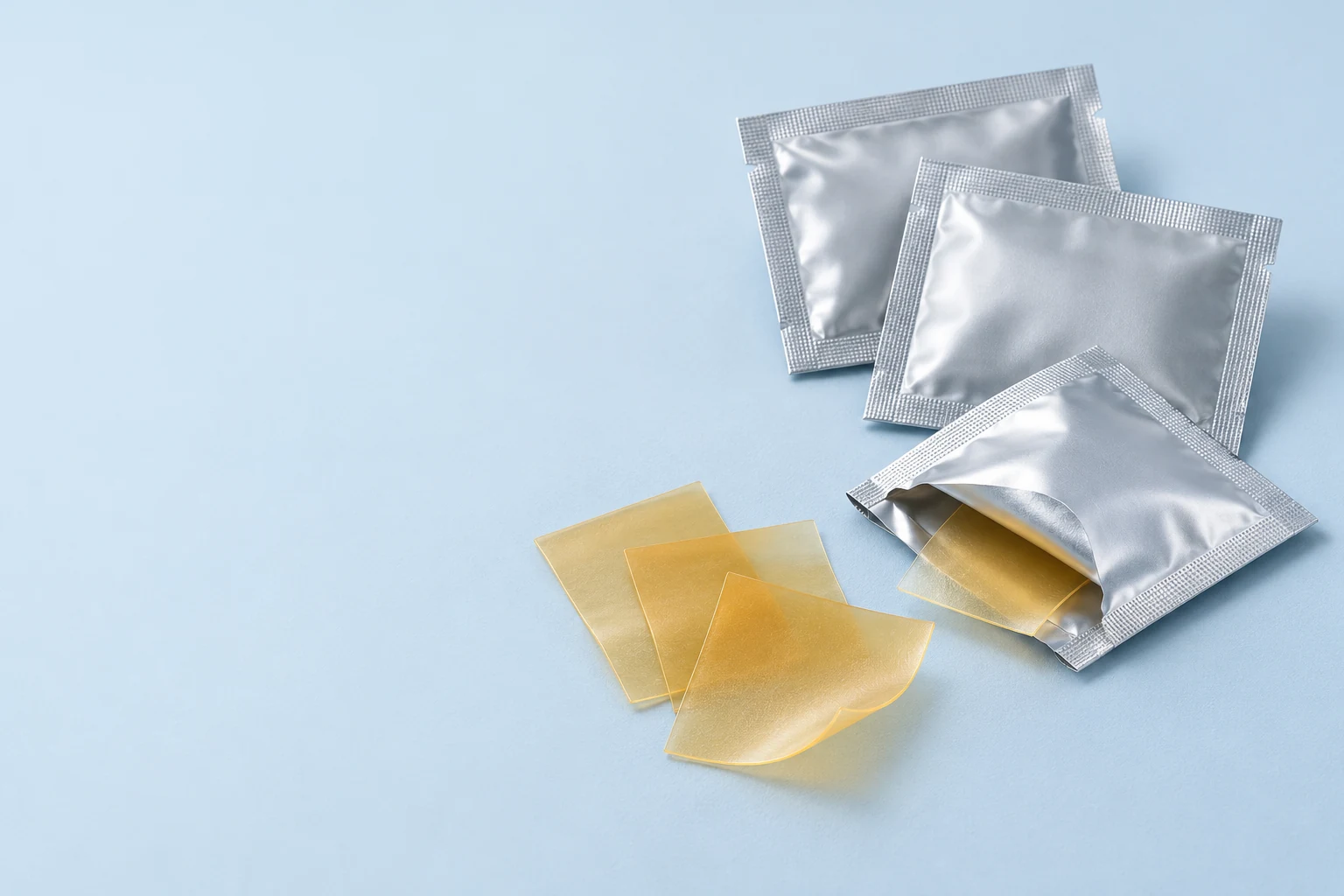
For PETNUTRABIO oral film projects, the minimum is 60,000 films per SKU; packaging and any mixed-order proposal require confirmation. New-formula costing is approximately 1–2 days after the formula, ingredient ratios and pack are sufficiently defined. Development, samples, testing and shipment are scheduled separately.
Name the evidence needed before release
Request the proposed product specification and COA, then review the individual characteristics they cover. Assign responsibility for checking the result, resolving a deviation and authorising release. Some questions belong to a batch test; others require a development study or stability work. Write the distinction into the purchase specification.
We can provide product specifications and a COA and help arrange third-party heavy metal, microbiological and mycotoxin testing. The analytes, laboratory, sample plan, cost and timing need agreement for the actual project. A video appointment with our production base in China can also be arranged around the questions a buyer needs to resolve.
Keep a launch file that can survive a revision
Save the approved formula, specification, artwork, pack components and reference sample details under one project version. Identify who may approve changes. When a flavour or raw material changes, review the label and test plan together with the recipe. A short change log is more useful than several conflicting files named final.
Before issuing the purchase order, ask another colleague to follow the brief without verbal explanation. If the colleague cannot identify the intended animal, serving, market and release requirements, improve the brief. That exercise often finds an ambiguity while it is still inexpensive to correct.
Compare OEM, ODM and white label on the same brief
A buyer comparing pet supplement OEM manufacturers should send each candidate the same species, serving target, formula assumptions, pack and destination. Ask which party approves the recipe, sources raw materials, releases the batch and maintains changes. Turnkey service still needs named responsibilities. Separate a formula reference from a formula ready for sale in the target market.
Use format-specific minimums to plan the first range
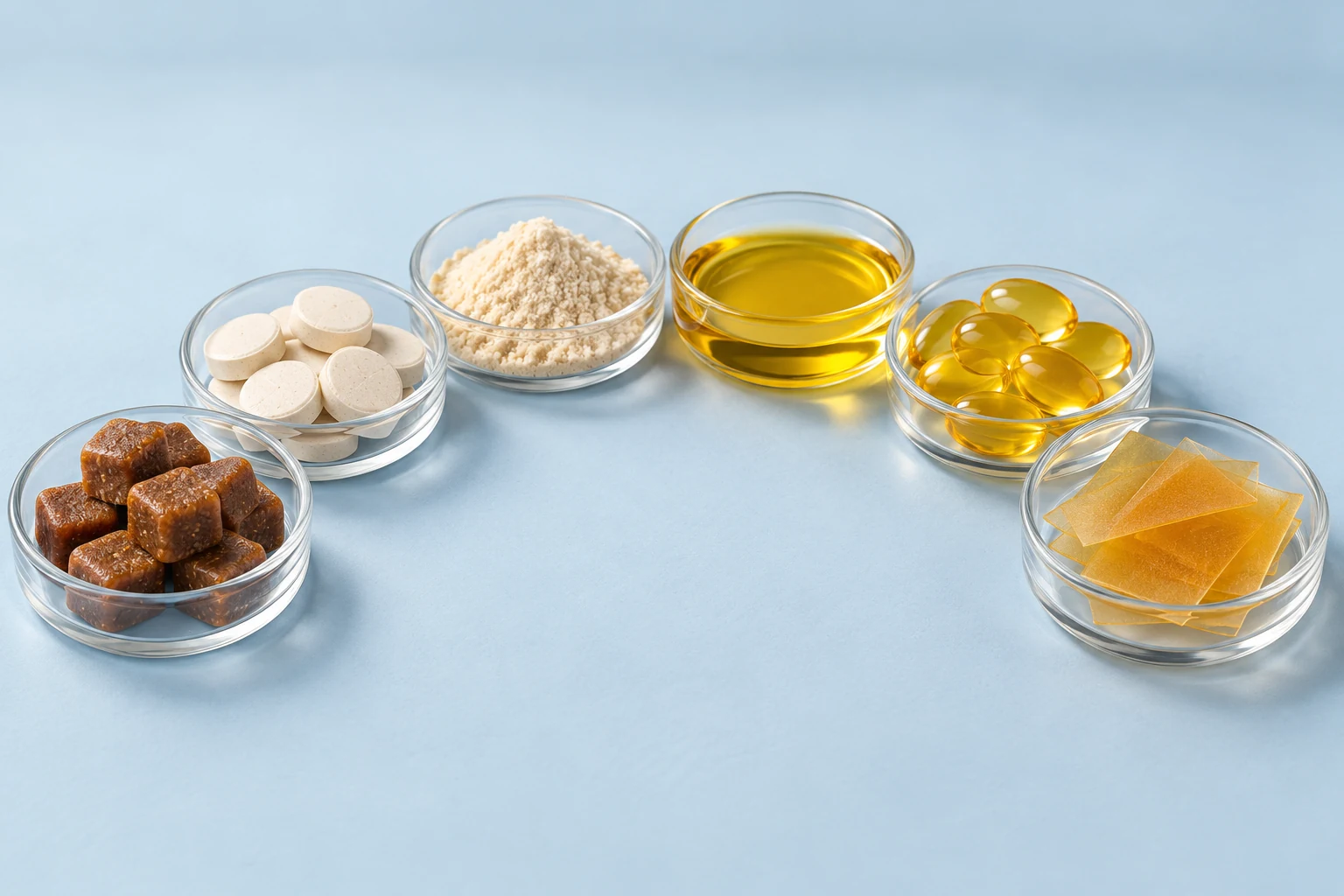
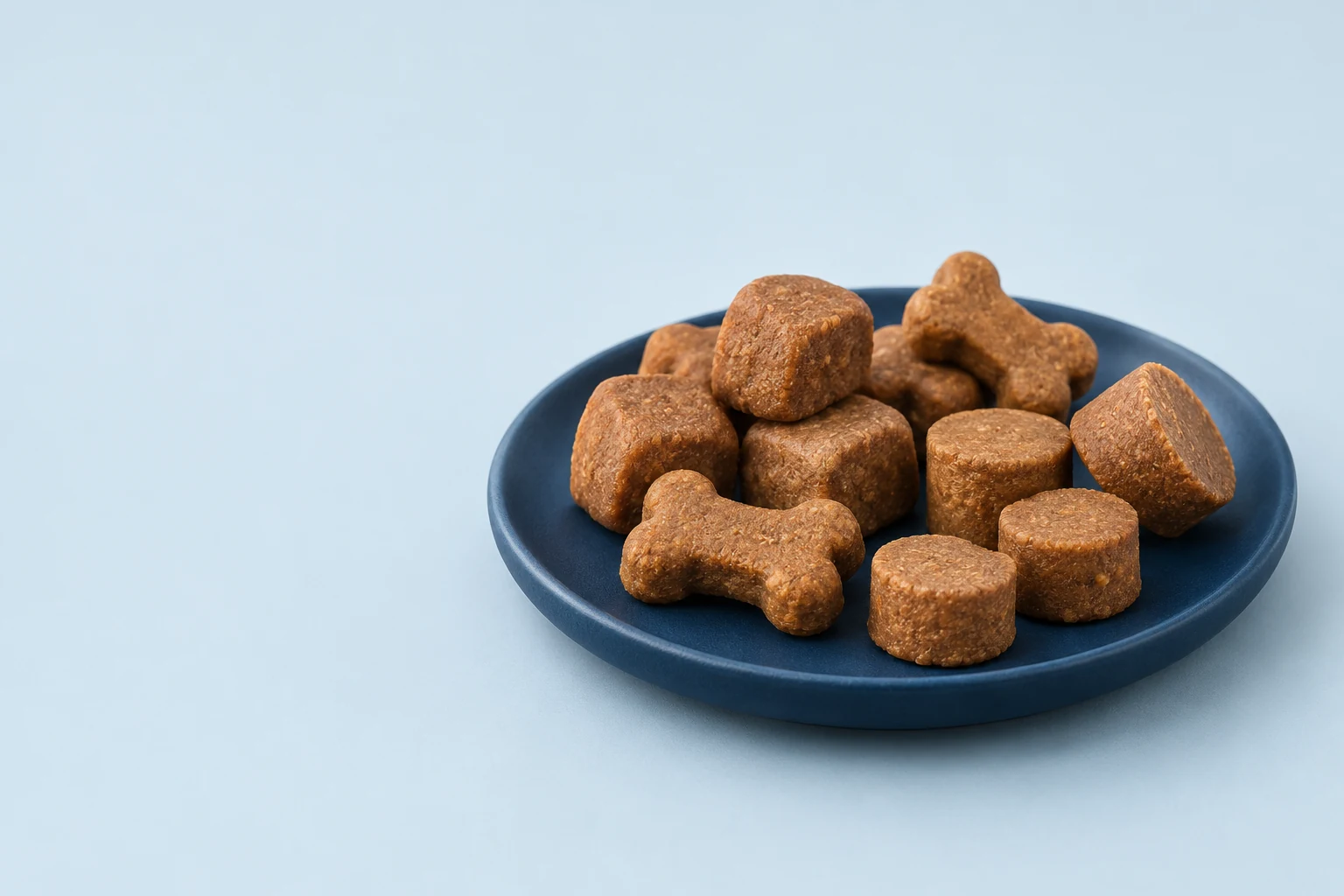
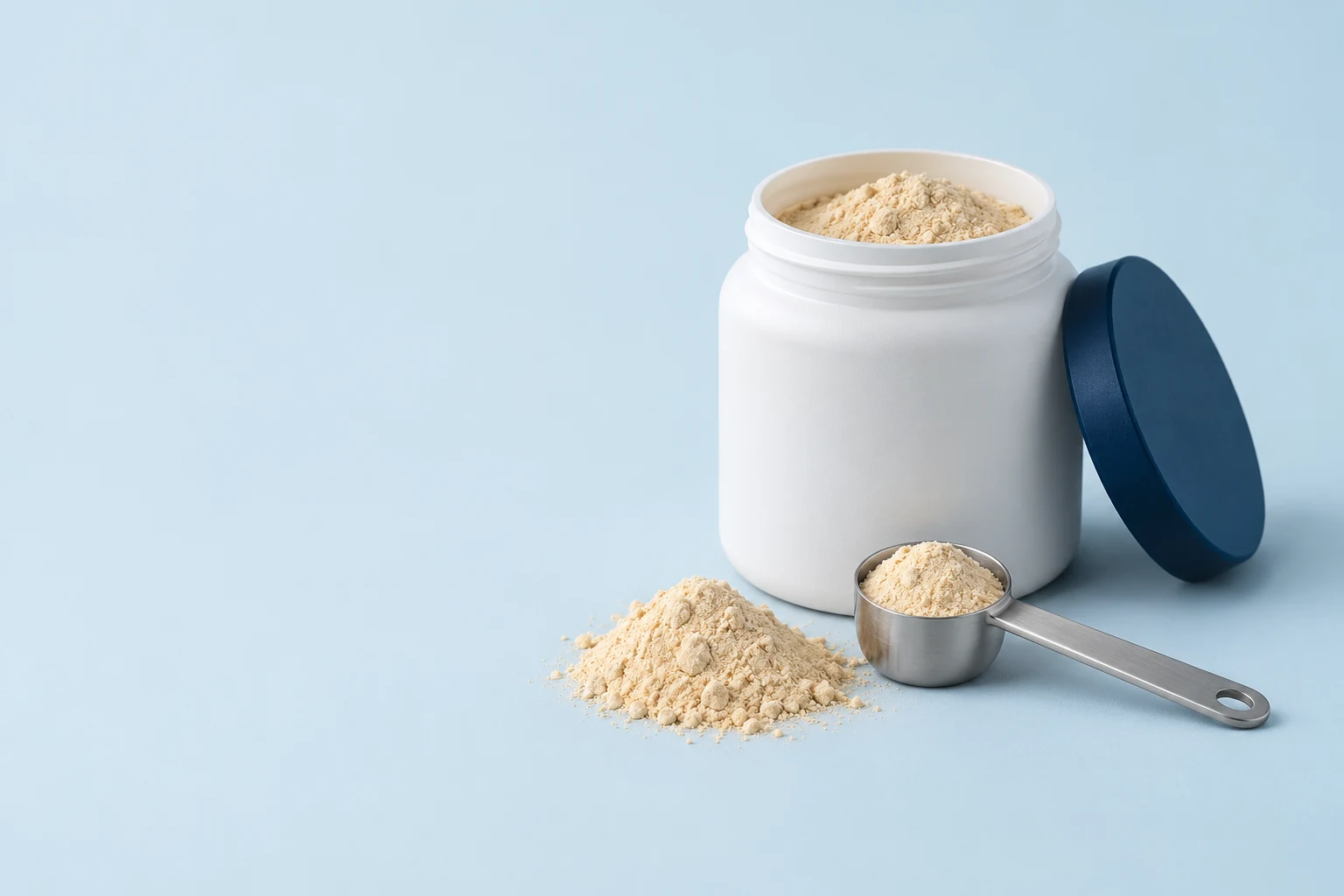
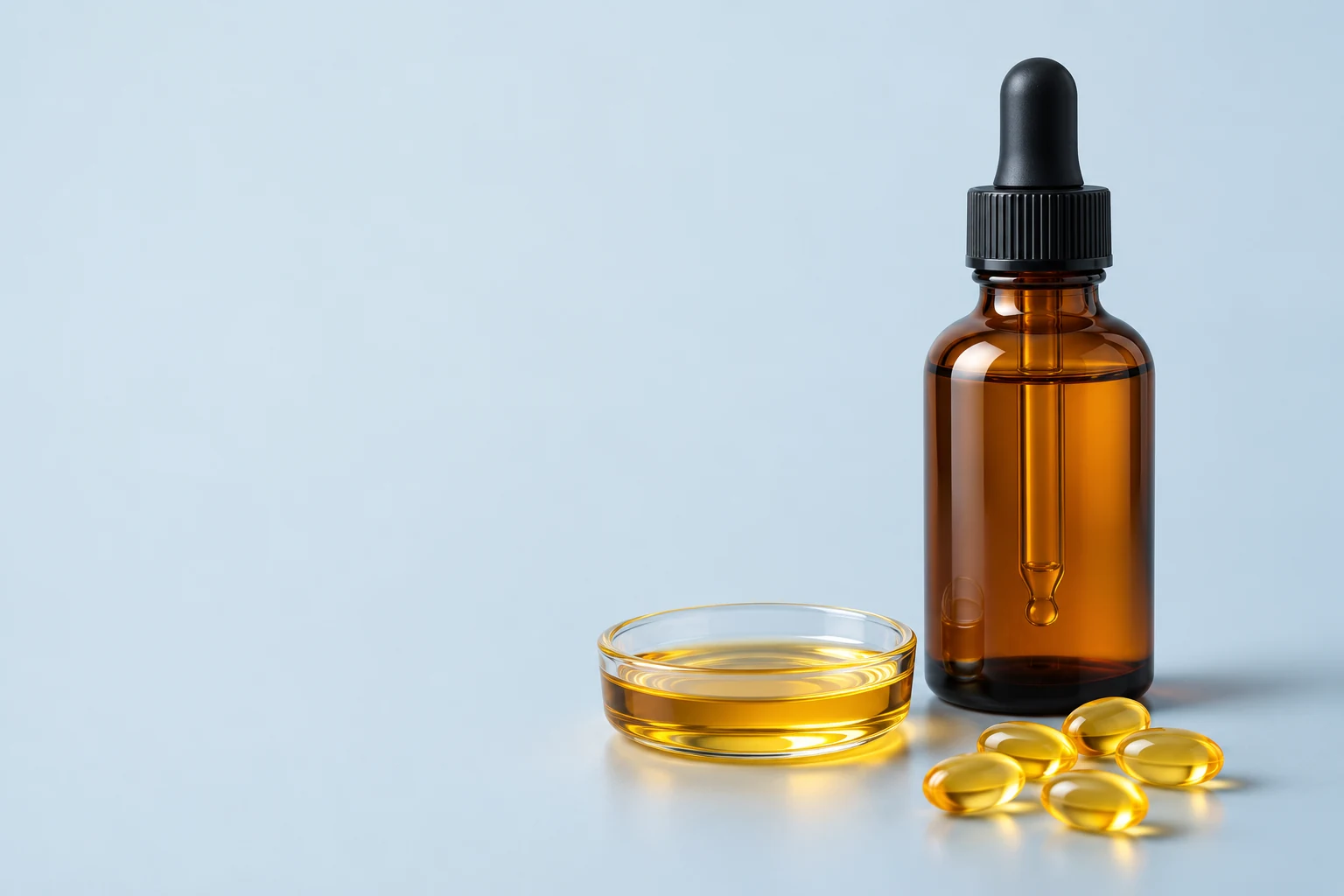
Budget the first order around the applicable minimum: 60,000 oral films per SKU, 100 kg for functional soft chews or nutritional treats, 50 kg for powders, and 1,000 bottles for drops or pet gummies. Confirm allocation, packaging commitments and feasibility for the selected formats. The 1–2-day new-formula costing window begins with a sufficiently defined brief and does not set the production schedule.
Business guidance for developing pet nutrition products. Individual feeding and health questions require veterinary advice.