Start with the amount the animal will receive
List each proposed nutrition ingredient and the intended contribution per daily serving. Add its raw-material specification and identify any calculation needed to connect ingredient weight to the declared amount. The proposed film count per serving should remain visible while the formula is being discussed.
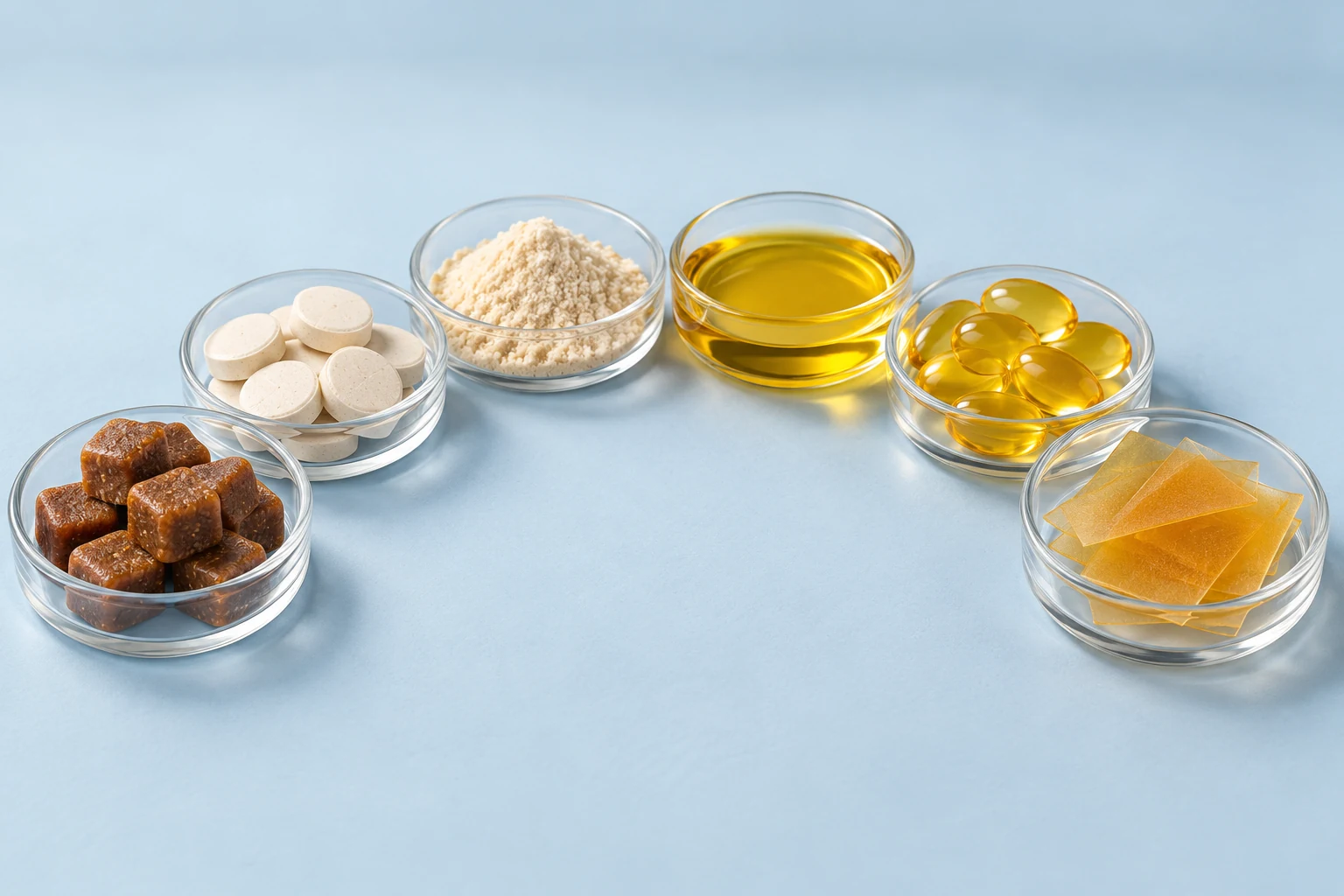
Space in a film must also accommodate the film-forming system, flavour and other necessary components. A formula copied from a larger chew may therefore need a different serving arrangement or format. Review feasibility before artwork fixes the unit dimensions or a front-panel ingredient claim.
Assess the species and the feeding method together
A dog or cat image on the carton does not establish that the same formula and instruction suits both species. Define the target animal, life stage and intended offering method. Ask how an owner will handle the unit and what should happen if it is refused or only partly consumed.
Keep individual feeding problems separate from product selection. An animal that resists mouth handling needs appropriate professional advice; a thin format does not remove that concern. The development review should record the intended use and the boundaries of any handling observations.
Evaluate the film base as part of the product
Ingredient loading can affect the physical unit. Review thickness, flexibility and removal from the selected pack using representative samples. Establish which physical characteristics need a specification and how they will be measured. Samples used for a packaging photograph should not become the approval reference by accident.
Our oral films follow human oral-film production standards, with the specific standard designation still to be confirmed for documentation needs. That production approach belongs alongside assessment of the pet formula, acceptance and stability. It cannot establish a veterinary outcome or destination-market status by itself.
Describe dissolution without implying clinical performance
If a project includes a dissolution or disintegration observation, define the medium, temperature, method and endpoint. Keep the resulting description tied to those conditions. The time measured in that setting does not describe how soon a nutritional effect will occur in a dog or cat.
Allam and Fetih’s 2016 metoprolol film research concerns a particular drug-delivery system studied in rabbits. It may inform a technical literature discussion, with those limitations clearly stated. It provides no product-specific absorption, onset or shelf-life result for PET NUTRA BIO pet nutrition films.
Develop the opening and the seal at the same time
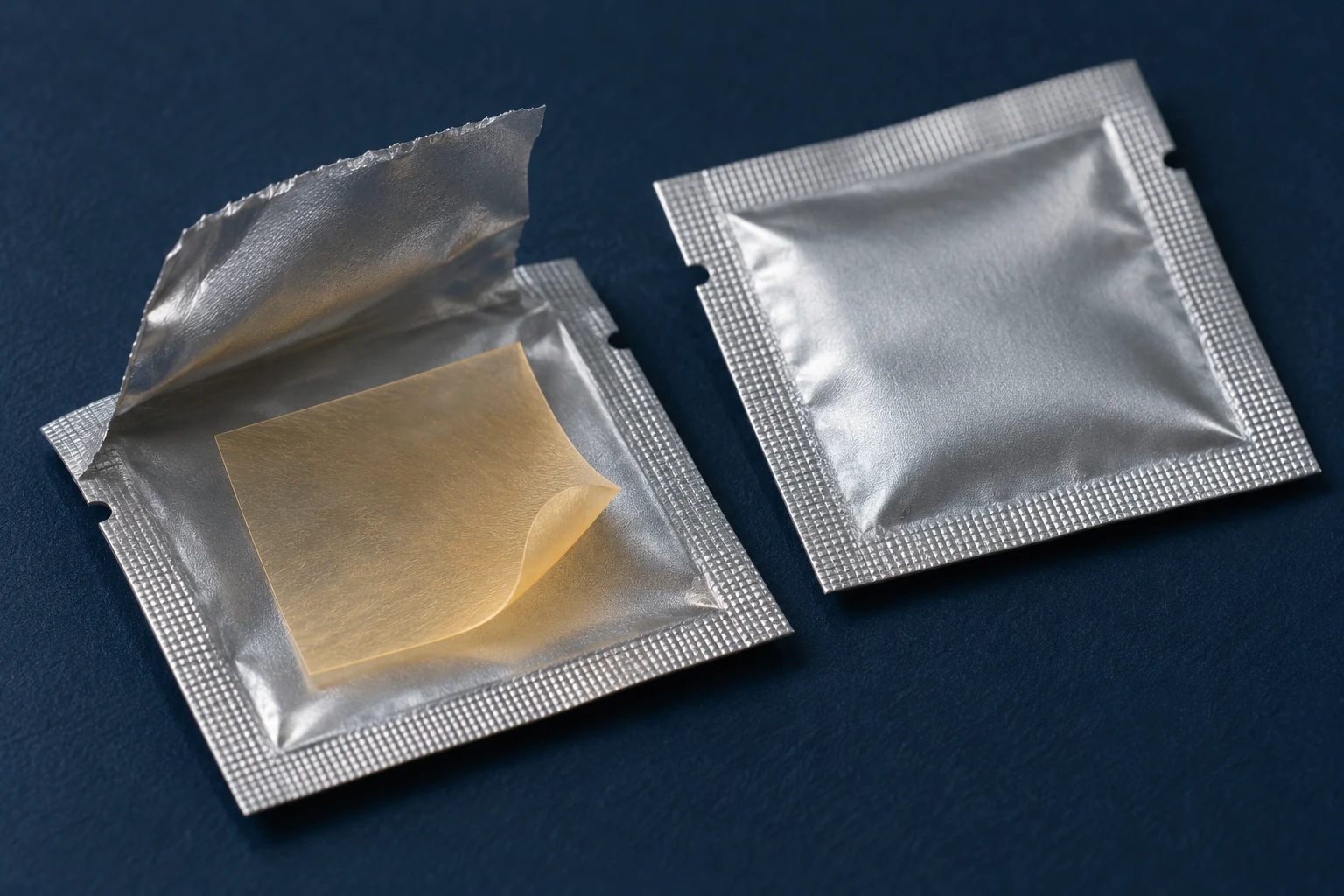
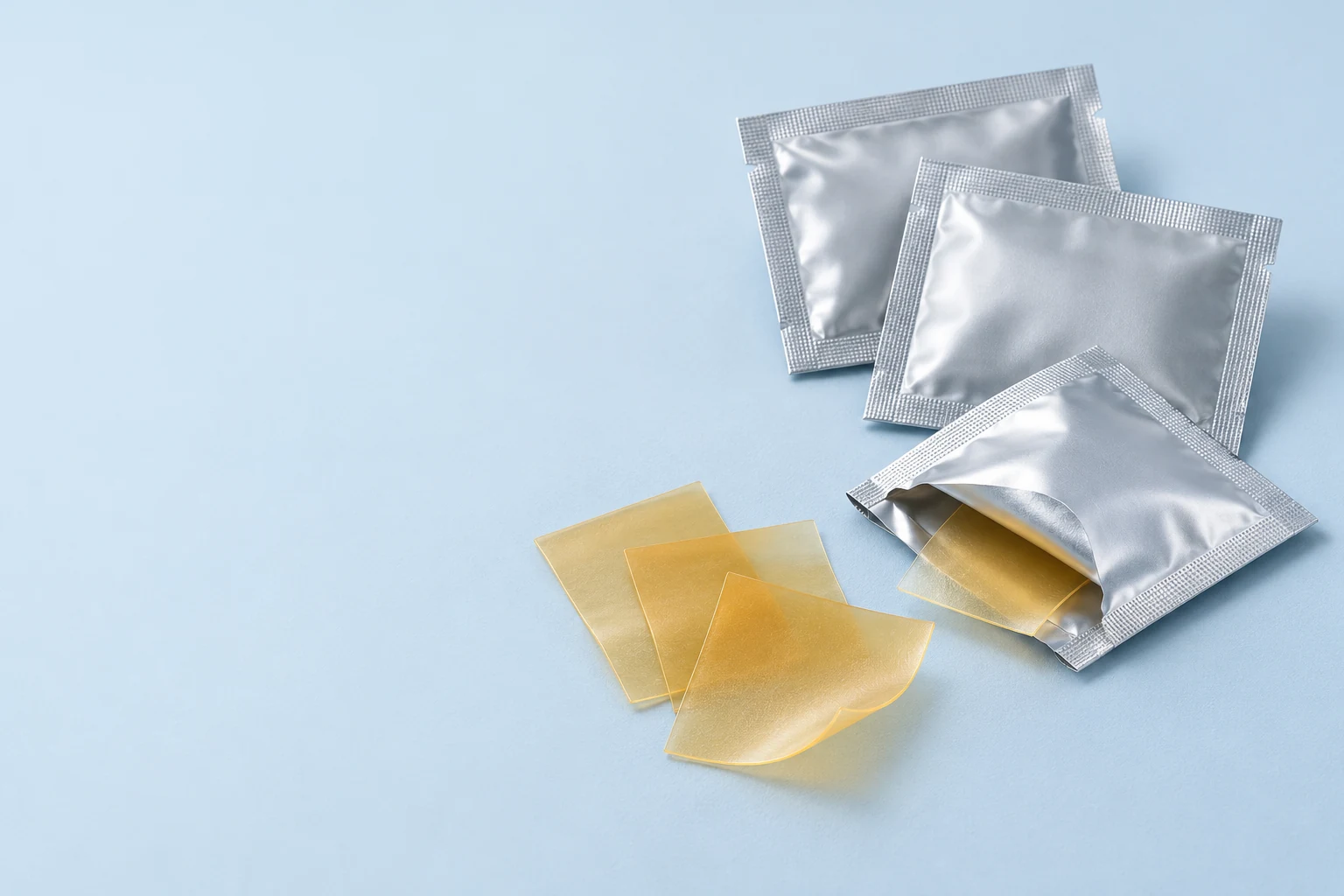
A primary sachet must protect the unit while allowing the intended user to remove it. Ask for a pack review that includes the tear position, seal area, handling space and code position. Examine whether the film remains accessible after opening and whether the opening method damages it.
Set the primary pack requirements before choosing the carton arrangement. Unit count, carton dimensions and printed instructions should follow the approved unit and feeding plan. A packaging change later in development needs review for its effect on protection, handling and the supporting stability work.
Separate quotation from development scheduling
The oral film minimum is 60,000 films per SKU. Confirm packaging allocation and any mixed-order proposal in the quotation. Typical box concepts hold 10–20 films; final count and artwork are agreed for the actual range.
A new formula quotation generally takes about one to two days. Sampling, technical evaluation, testing, production and transport need their own schedule. A useful launch plan assigns a review outcome to each of those activities, so the team knows which decision must be closed before the next commitment.
Approve a complete product reference
The approval file should connect the formula, film dimensions, primary pack, carton artwork and specification. Agree the COA scope and any commissioned third-party work before production. Product specifications and COAs are available, and additional heavy metal, microbiological and mycotoxin testing can be discussed for the project.
Bring the intended species, nutrition direction, serving target and destination market to PET NUTRA BIO. We can review the oral film brief through our production base in China and arrange a video appointment where useful. The first outcome is a defined product proposal with its unresolved questions clearly recorded.
Set a reproducible ODF performance method
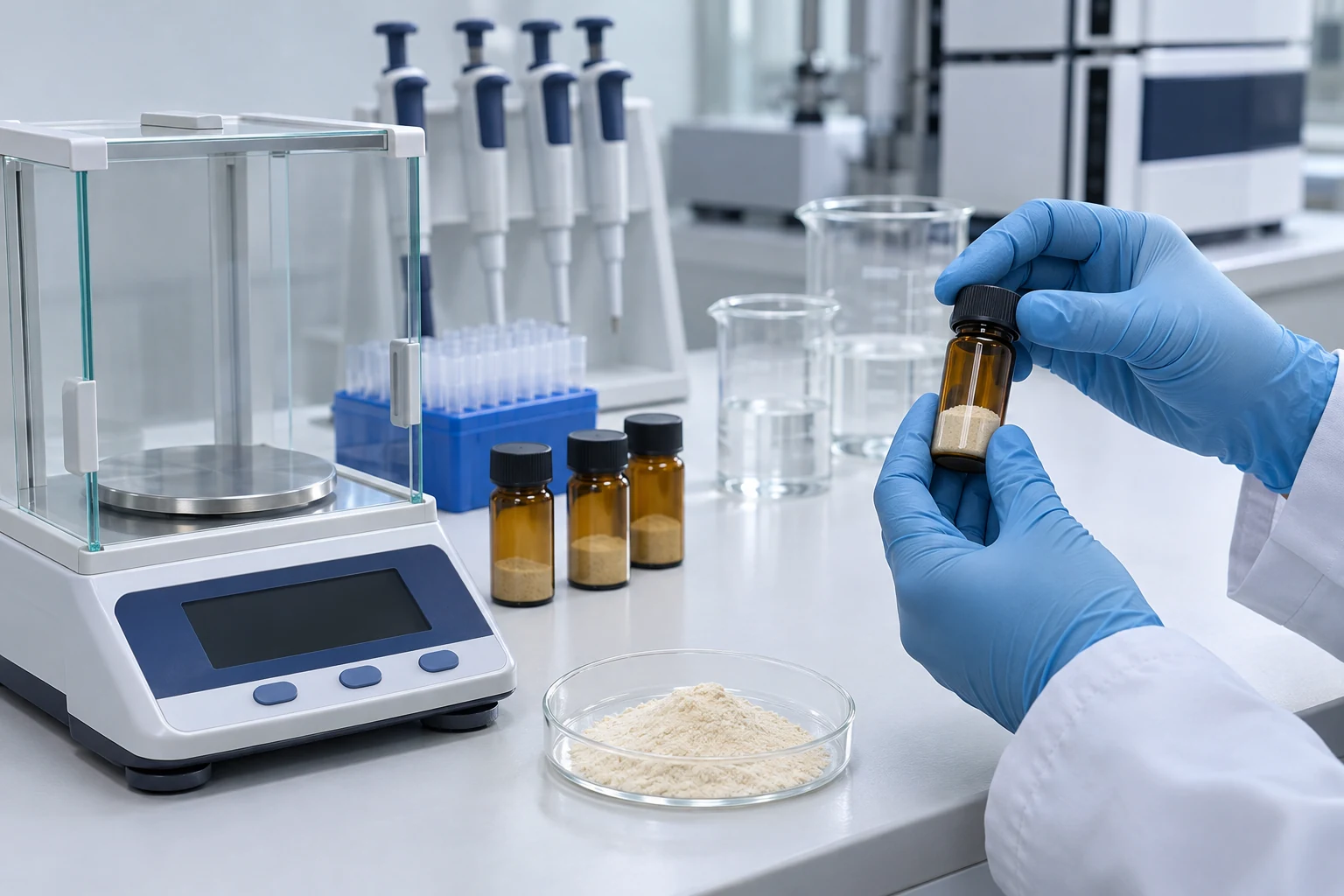
Agree the medium, temperature, agitation, endpoint and sampling for the film performance test. Report disintegration and dissolution using the method actually performed; they answer different questions. Compare content uniformity, handling and moisture behaviour using the approved primary pack. An attractive dissolution video does not establish oral absorption or a clinical onset time.
Keep delivery research separate from pet-product evidence
A published result for a specific medicine, film composition and animal model cannot establish the bioavailability of a pet vitamin or herbal film. A project seeking an absorption claim needs evidence for the actual formula, species, route and comparison. Human oral-film production standards can describe the production approach while pet-specific safety, acceptance and stability still require assessment.
Business guidance for developing pet nutrition products. Individual feeding and health questions require veterinary advice.