
Establish the identity of the product under review
Start with the product code, formula revision, pack size and batch identifier. The same brand name can sit above different strengths, flavours or packaging versions. If those details are missing from a report, establish which sample was tested before using the result to support a purchase decision.
Create a short document register rather than relying on filenames. Record document title, version, issuer, date and applicable product or batch. Keep the approved purchase specification in the same register. That makes it easier to see whether a newer formula is being compared with an older test plan.
Read the specification before the certificate
The specification defines what is expected; the COA records results or conformity for its stated scope. Review the listed characteristic, acceptance limit, test method and reporting unit together. A number can look reassuring while referring to a different unit or sample basis from the one in the specification.
Ask how qualitative statements are supported and which characteristics are checked on each batch. Record any characteristic verified by a supplier document or periodic programme separately. A concise COA can be useful when the buyer understands exactly what it covers and which evidence sits elsewhere in the file.
Match laboratory work to the question
A request for a clean test report is too broad to commission responsibly. Identify the analytes or organisms, the sample type and the acceptance criteria. For mycotoxins, the ingredient profile and destination need to inform the panel discussion. For a microbial ingredient, its intended identity or count creates a different question from contamination screening.
Third-party heavy metal, microbiological and mycotoxin testing can be arranged for our projects. Agree the scope, laboratory, costs and timing before samples are submitted. Ask how the report will identify the sample and how the reporting limits relate to the acceptance criteria.
Keep nutritional content and contaminants in separate views
A contaminant panel does not describe the full nutritional formula. Likewise, an ingredient-content result does not establish the absence of every unwanted substance. Build the review around the actual claims and risks, then mark where each question is answered. This prevents a general testing badge from carrying more meaning than the underlying report.
For an oil, a declared fatty-acid amount and an oxidation-related measure answer different questions. For a probiotic concept, identity and viable count need their own specification discussion. The buyer should be able to trace each proposed declaration to the document or study intended to support it.
Review the primary pack with the stability question
A shelf-life assessment belongs to the formulation and package being sold. Record container material, seal, closure and storage conditions with the study plan. A carton colour change may be mainly an artwork matter, while a different primary pack can require a technical review of product protection.
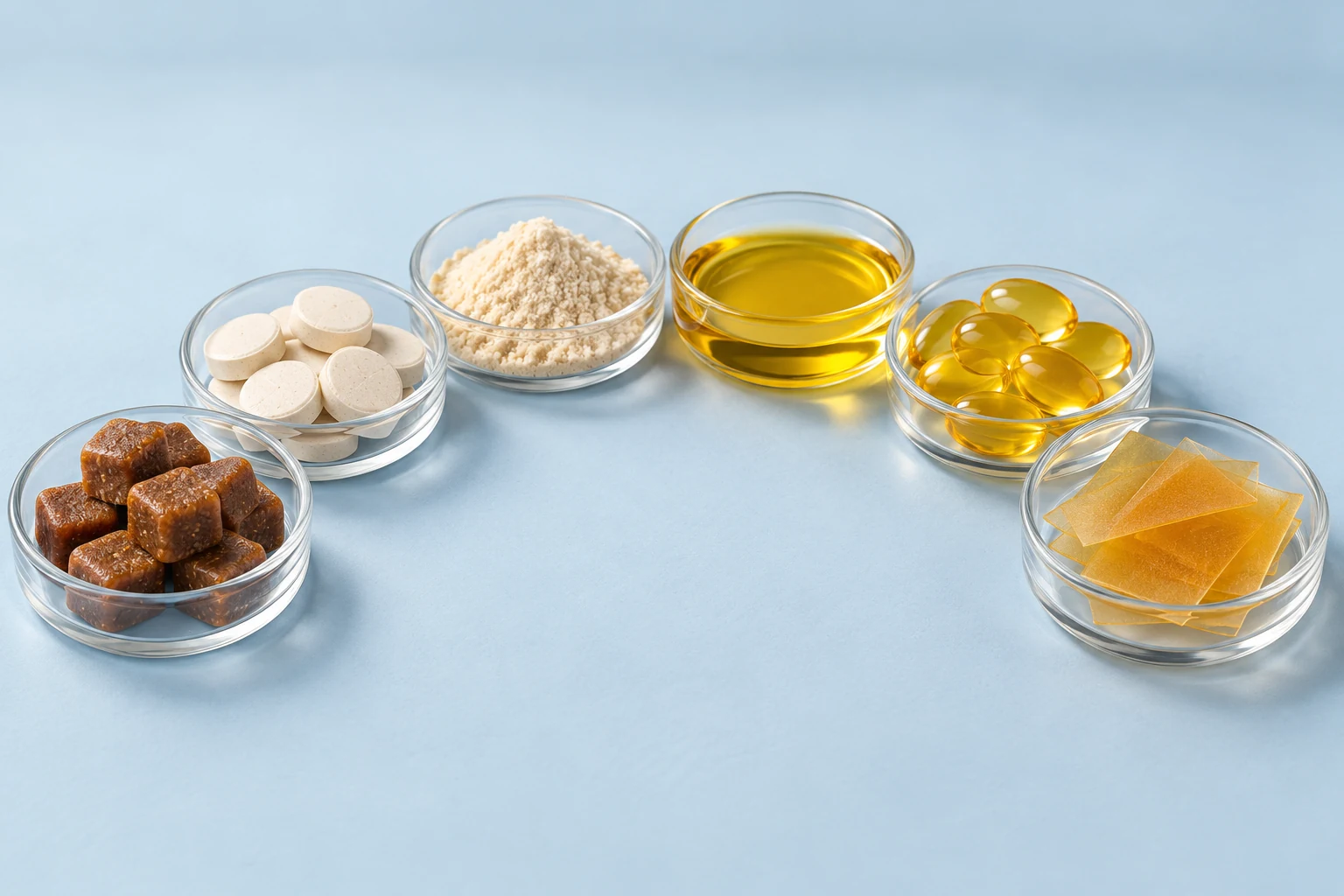
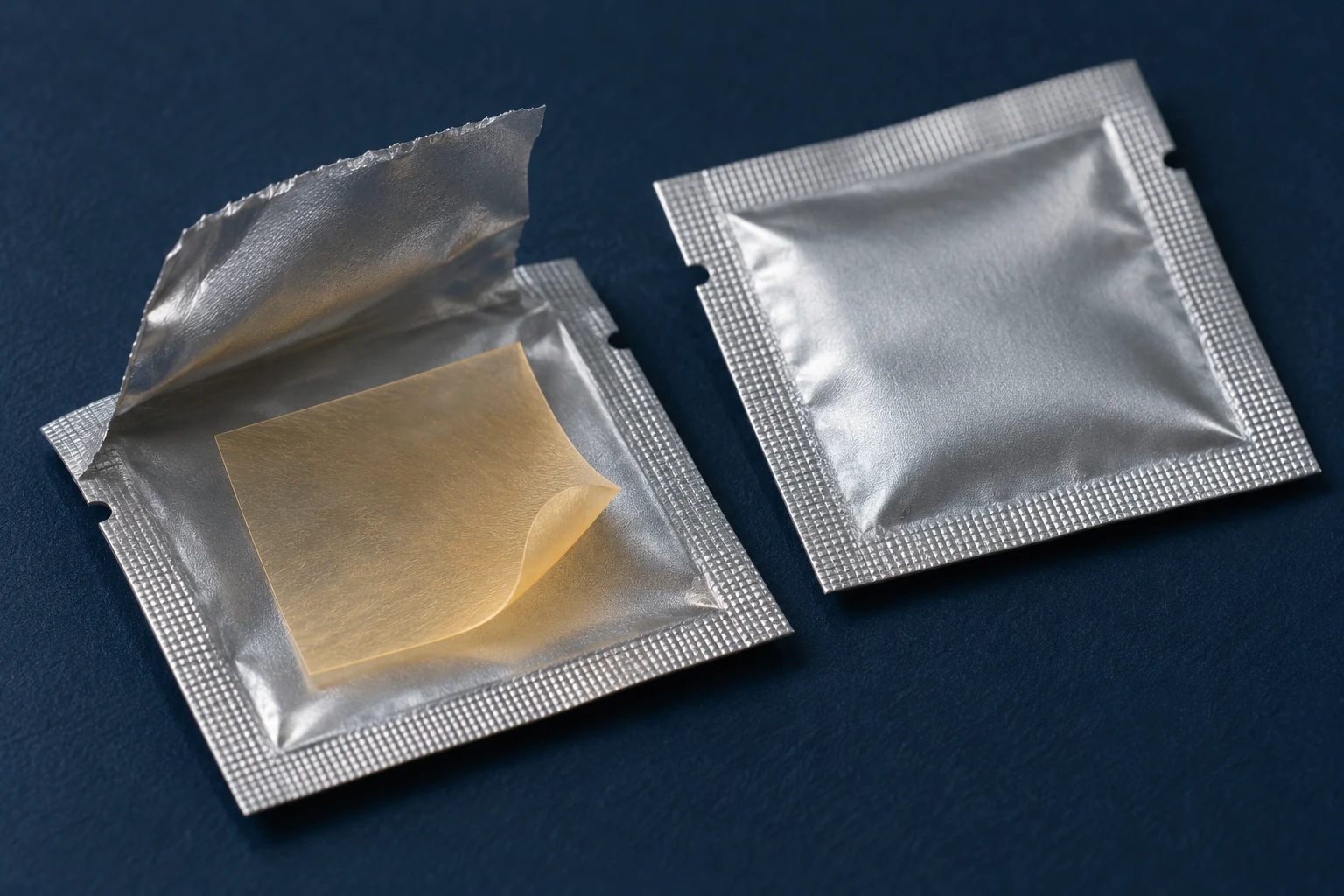
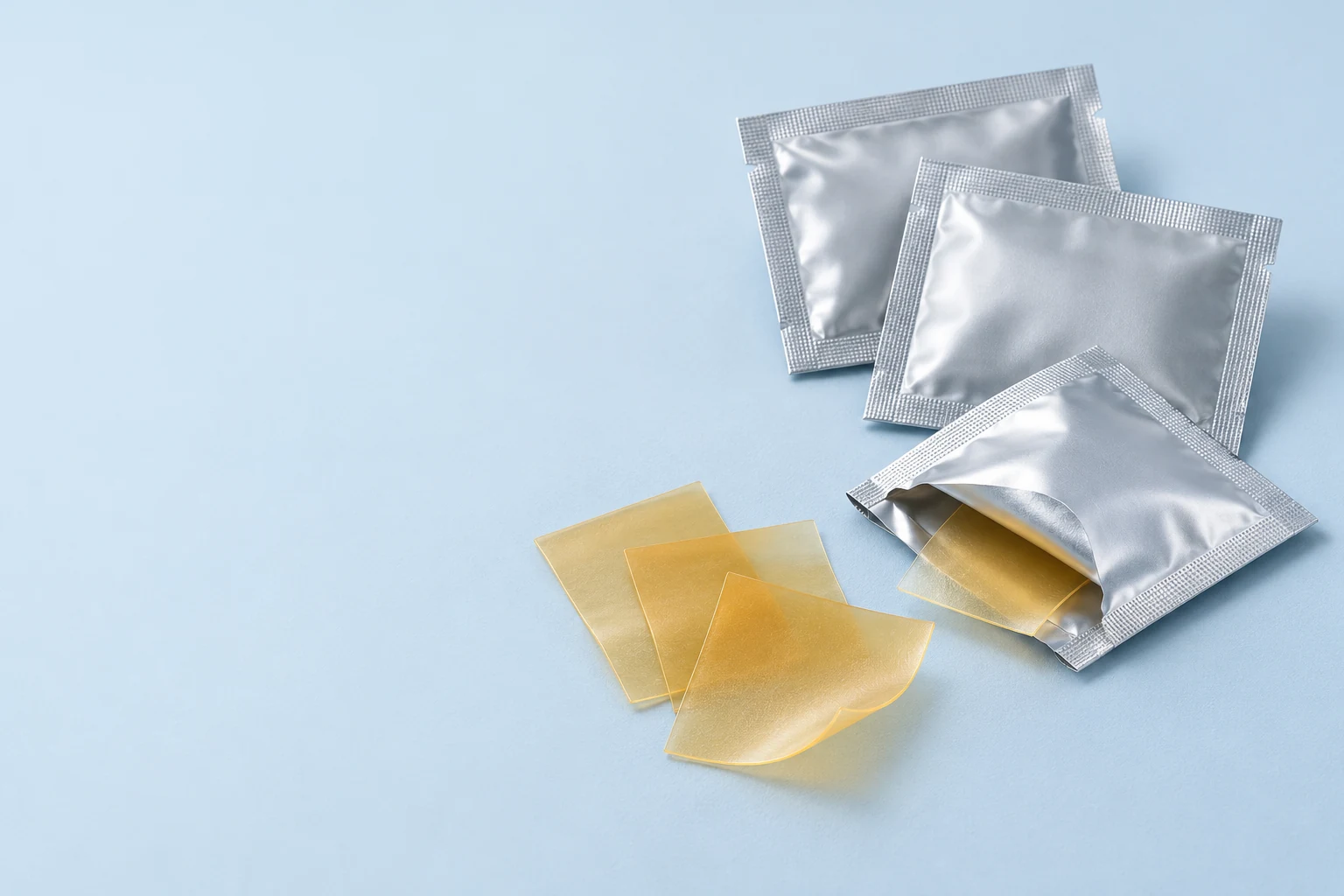
Include the period after first opening if repeated use is expected. Ask how samples are removed and how the remaining contents are handled. Film sachets, powder jars and liquid bottles create different exposure patterns, so the same general shelf-life sentence should not be copied across a range without evidence.
Check batch identification on physical packaging
Read the code on an actual pack under ordinary lighting. Verify that it can be distinguished from the barcode and that the same batch can be traced across the relevant packaging levels. FDA’s pet food complaint guidance highlights the importance of keeping lot information available when investigating a product issue.
Decide which retained items and records will help investigate a future question. Photograph the approved code position and record the printed component version. An accurate report is difficult to use if the customer cannot identify the pack to which it belongs.
Resolve discrepancies before approval
Keep an open-issues list that names the discrepancy, the needed clarification and the person responsible. When a method, limit or formula changes, request the corrected controlled document. Do not treat a verbal explanation as an updated specification. Approval should refer to an identifiable version and a defined release decision.
A buyer can request a video discussion with our production base in China and prepare questions tied to the file. Our product specifications and COAs support that discussion. Additional work is agreed by project, so the final release package reflects the product being ordered and the evidence the buyer needs.
Check certification scope and commercial coverage separately
Record the holder, issuing body, covered activity and expiry for any requested ISO certificate. Review clean-room qualification evidence against the claimed class and operating conditions. Product liability insurance, patent licences and raw-material authorizations answer different questions; none is established by a COA. Obtain project-relevant documents before using the claim in a purchase decision or label.
Identify the market pathway before assembling an export file
Canadian VHP review uses the Notification Program and List C conditions for the product; a human natural-health-product database entry is not a pet approval. In the USA, FDA distinguishes animal food from animal drugs by intended use and does not apply the human DSHEA supplement category to animal food. Determine the classification with the destination reviewer, then agree the formula, label and quality documents required.
Business guidance for developing pet nutrition products. Individual feeding and health questions require veterinary advice.